
Browse MUTCD Sign Series
Know the code? Search the full sign catalog below. To explore, browse by function, numbered code group, or California collection. Each sign page brings together its meaning, application notes, sizes, and available downloads.
Find a sign by code or name
Official Sign Classifications
The top-level functional classes FHWA uses for the Standard Highway Signs in the current MUTCD.

Regulatory Signs
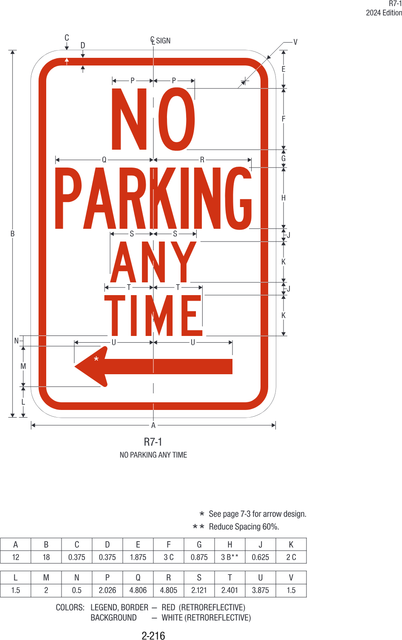
Rules of the road. Convey legal requirements such as right-of-way, speed, turning, and parking (R-series).
View Regulatory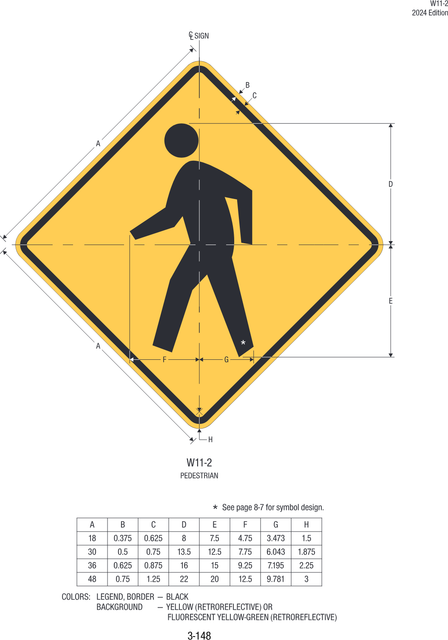
Warning Signs & Object Markers
Warn road users of conditions and hazards ahead, and mark fixed obstructions in or near the roadway (W- and OM-series).
View Warning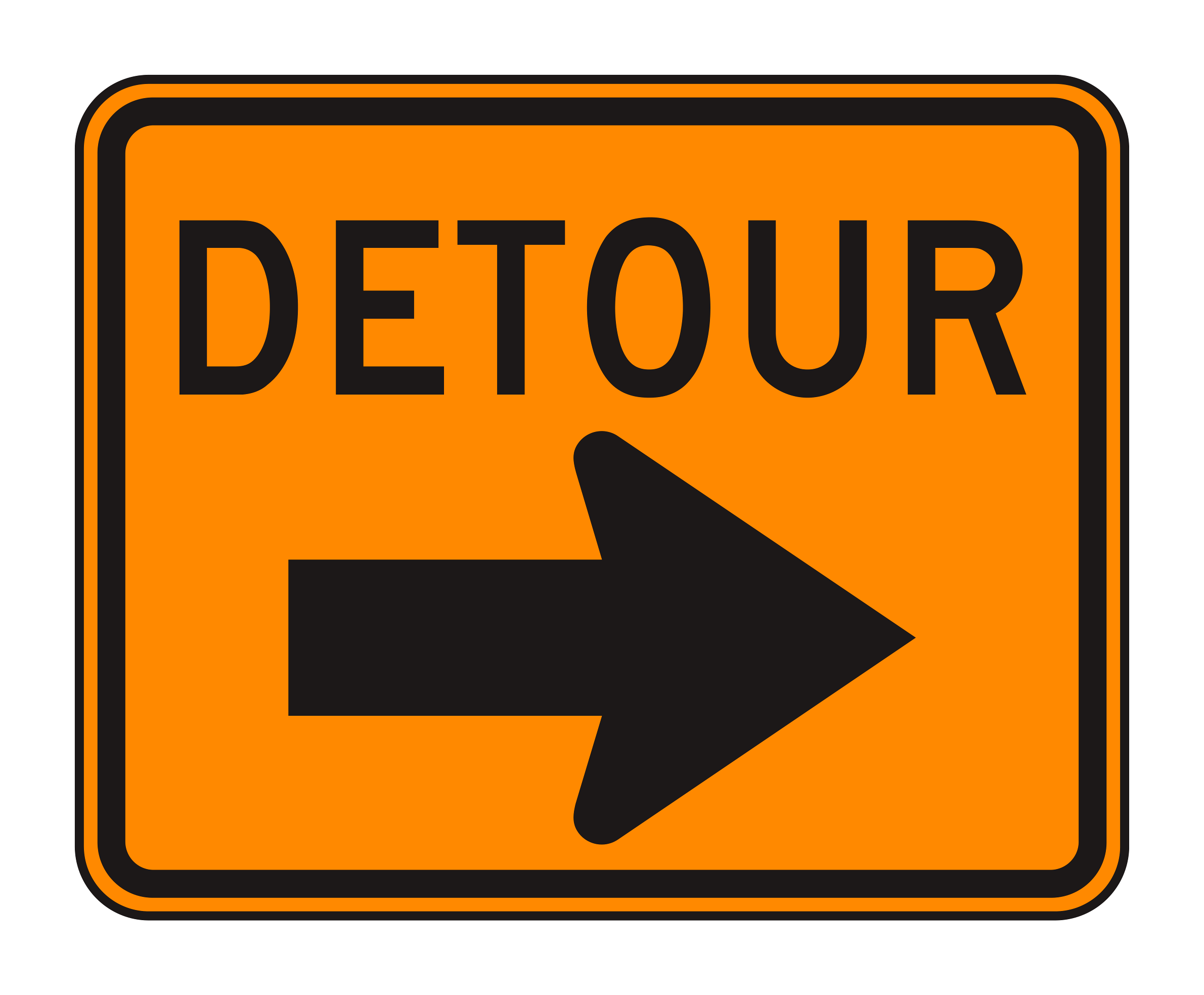
Guide Signs
Provide directions, destinations, distances, services, and route information (D-, E-, G-, and M-series).
View Guide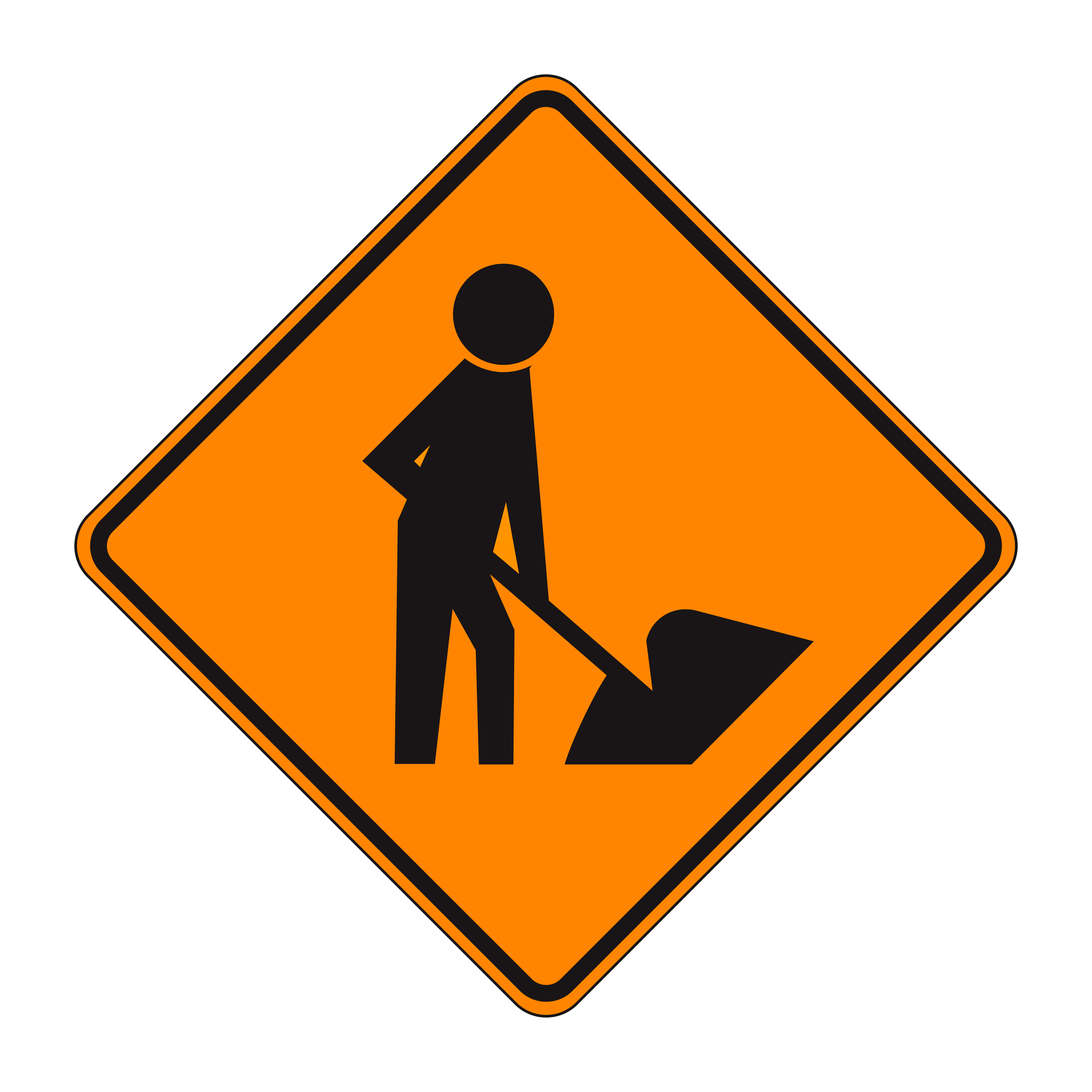
Temporary Traffic Control (TTC)
Warn and guide road users through work zones and other temporary traffic control situations.
View TTC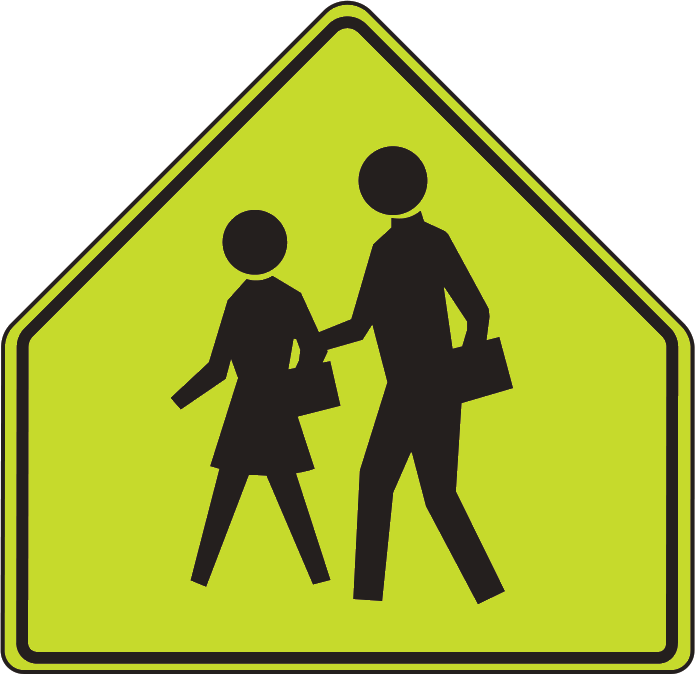
School Signs
Warn of school zones, crossings, and children present to enhance safety near schools (S-series).
View SchoolBrowse by Sign-Code Group
Numbered code groups (e.g. W20, R1) with per-sign detail, sizing, and downloads.
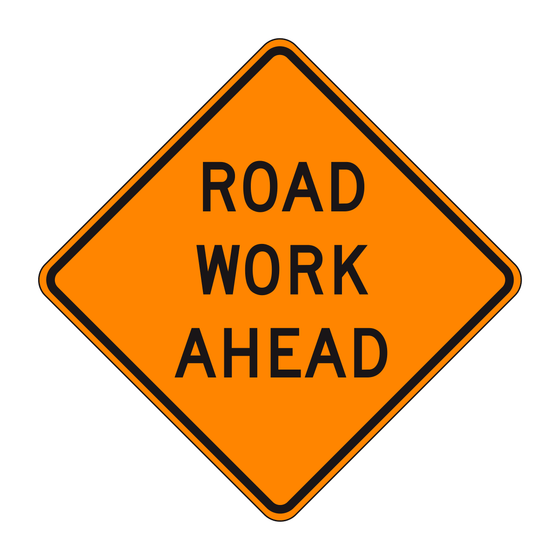
W20 Series
Advance warning signs identify road work, closures, and flagger operations ahead. W20-1 is ROAD WORK; W20-7 is the flagger symbol. Distance or AHEAD legends depend on the selected design.
View series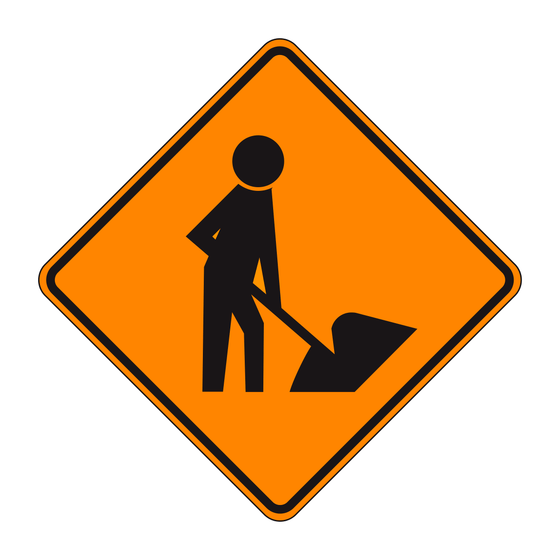
W21 Series
W21 signs warn of workers, shoulder work, and related maintenance activity. W21-1 is the worker symbol; W21-5 identifies shoulder work.
View series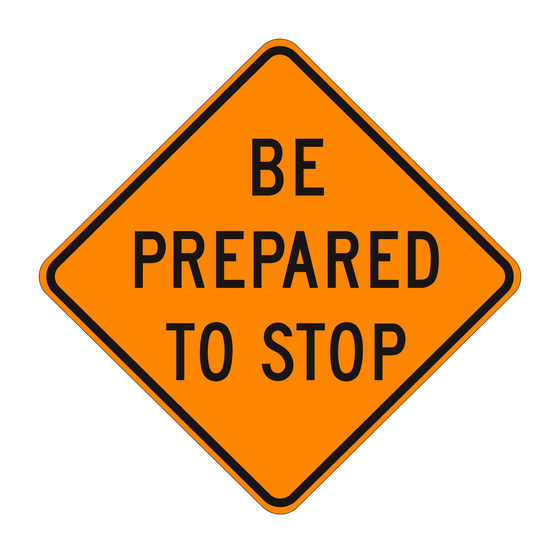
W3 Series
W3 signs warn of traffic control or stopping conditions ahead, including STOP AHEAD, YIELD AHEAD, SIGNAL AHEAD, and BE PREPARED TO STOP.
View series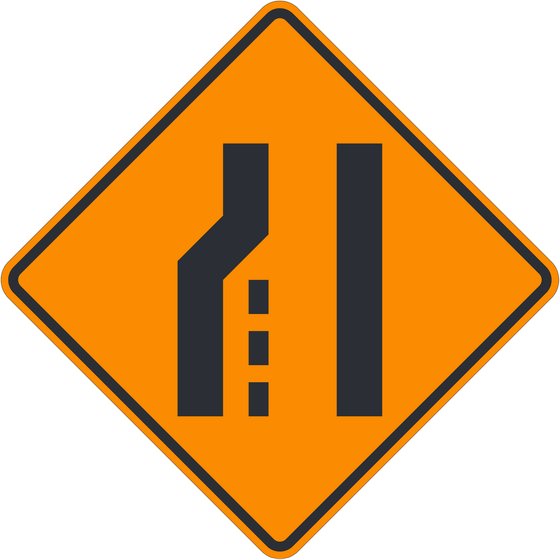
W4 Series
W4 signs cover merge, added-lane, and lane-reduction conditions. W4-1 is Merge; W4-2 is Lane Ends (symbol); W4-3 is Added Lane.
View series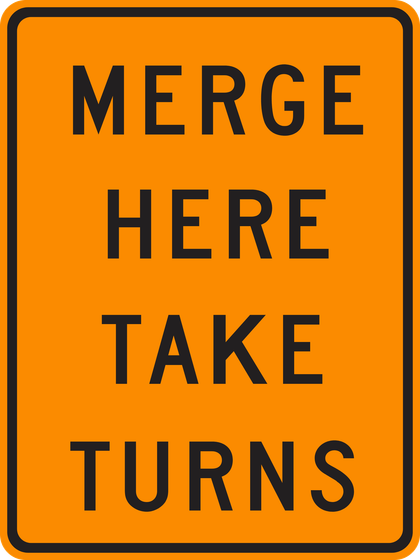
W9 Series
W9 signs include lane-ending messages and other lane-transition warnings. W9-1 identifies the lane ending; W9-2a gives the MERGE HERE TAKE TURNS instruction.
View series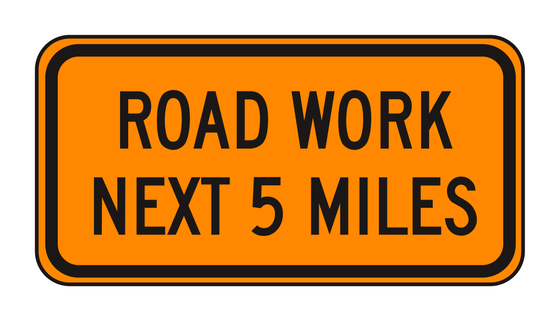
G20 Series
G20 signs identify work-zone information. G20-1 states the road-work distance; G20-2 marks the end of road work.
View series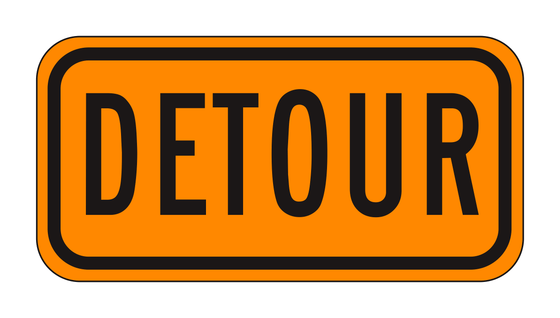
M4 Series
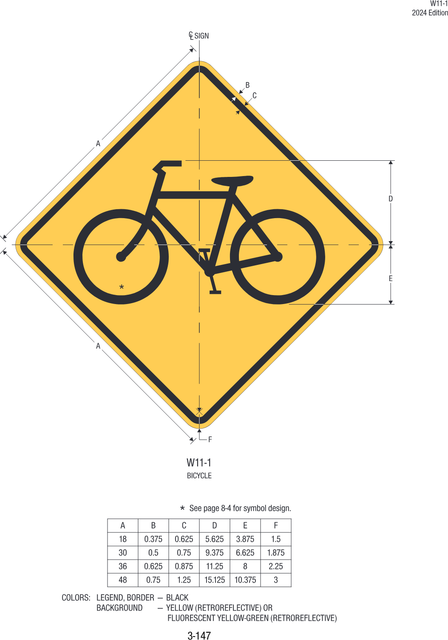
M4 detour signs and plaques guide road users around a closed segment. M4-9a serves pedestrians and bicyclists, M4-9b pedestrians, and M4-9c bicyclists.
View series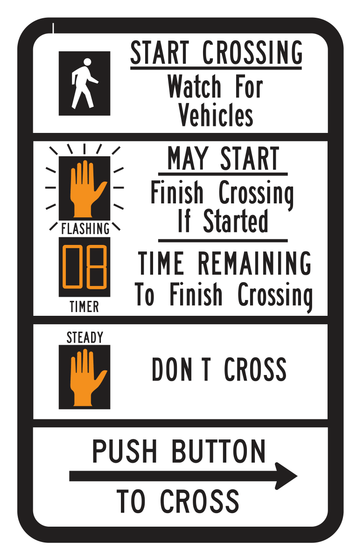
R10 Series
Signs for traffic-signal control, pedestrian actuation, bicycle movements, photo enforcement, and lane control at grade crossings. Check the exact legend and directional variant.
View series
R1 Series
The R1 series includes STOP and YIELD signs for assigning right of way. STOP and YIELD have different control functions.
View series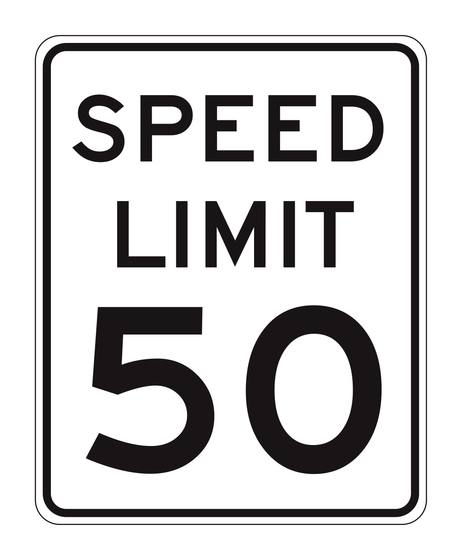
R2 Series
R2 signs communicate speed limits and related regulatory information. A posted value must correspond to the authorized restriction.
View series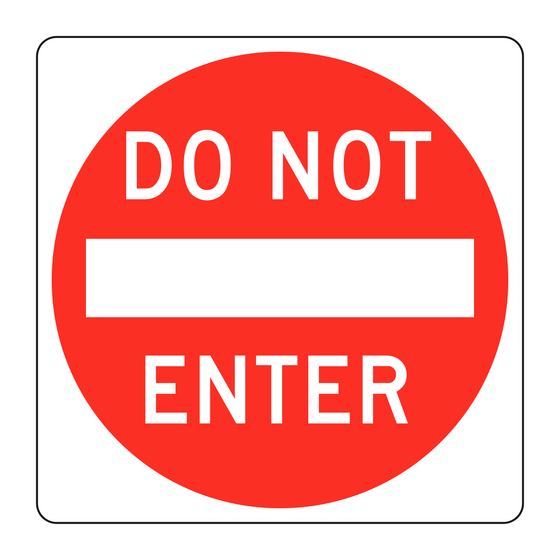
R5 Series
R5 signs prohibit entry or specified road users. R5-1 means DO NOT ENTER, R5-1a means WRONG WAY, and R5-2 is the truck-prohibition symbol.
View series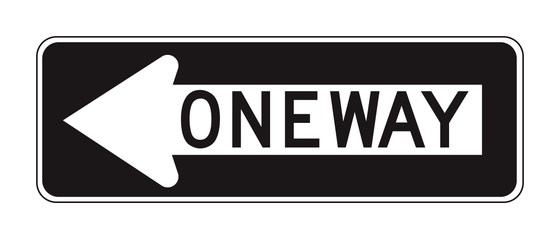
R6 Series
R6-1 and R6-2 are horizontal and vertical ONE WAY designs. Either design can use the arrow direction specified for the location.
View series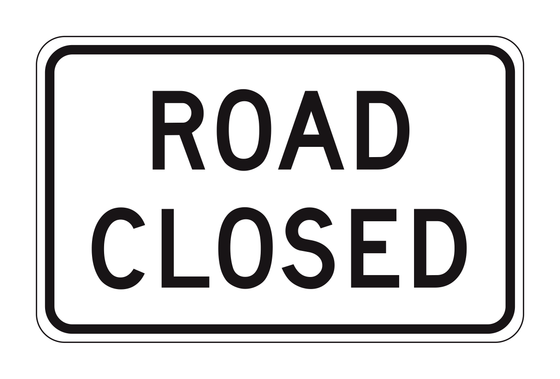
R11 Series
R11 road-closure signs distinguish closure to all traffic from local-access arrangements. R11-2 is ROAD CLOSED; R11-3 and R11-4 provide local-traffic alternatives.
View series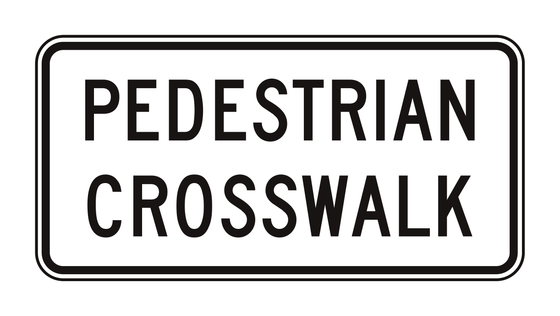
R9 Series
R9 includes pedestrian and bicycle regulations. R9-8 marks a pedestrian crosswalk; R9-9 through R9-11a address sidewalk closures and redirection.
View series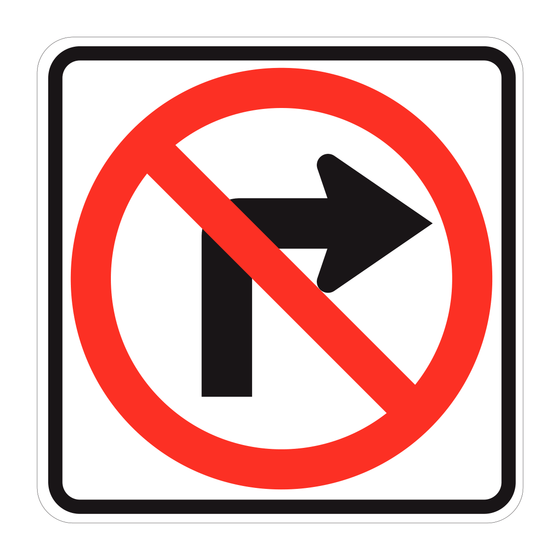
R3 Series
R3 signs regulate turns, lane use, and permitted movements. Turn prohibitions and mandatory lane-use arrows communicate different restrictions.
View series
OM Series
Object markers identify obstructions within or adjacent to the roadway. Types 1, 2, and 3 have distinct designs and applications.
View seriesBrowse Collections
Public Ready browse groups — helpful ways to explore the library. These are not separate official FHWA series.
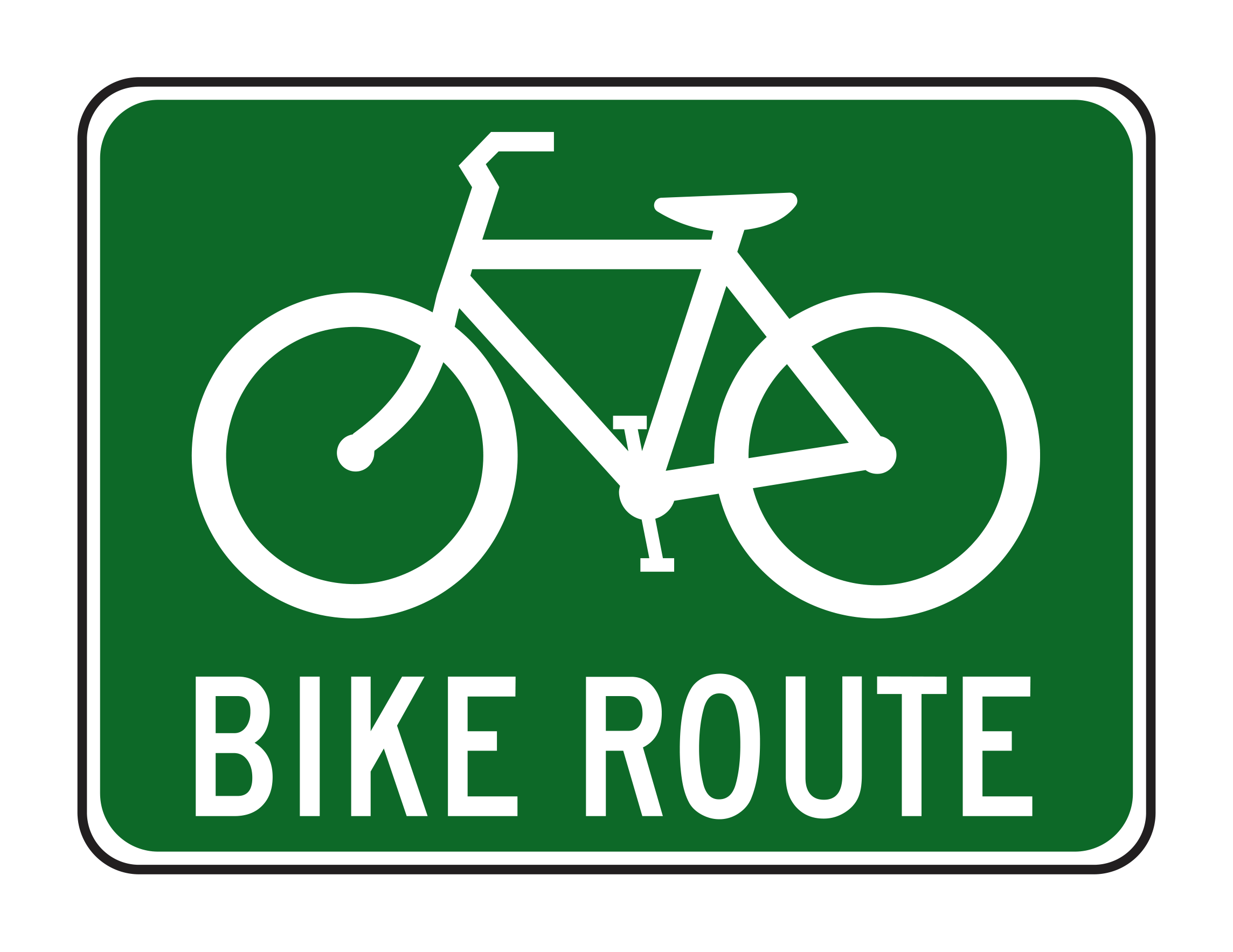
Guide & Destination Signs
Green, blue, and brown guide signs that provide directions, destinations, distances, motorist services, and route information for California roadways.
View 229 Signs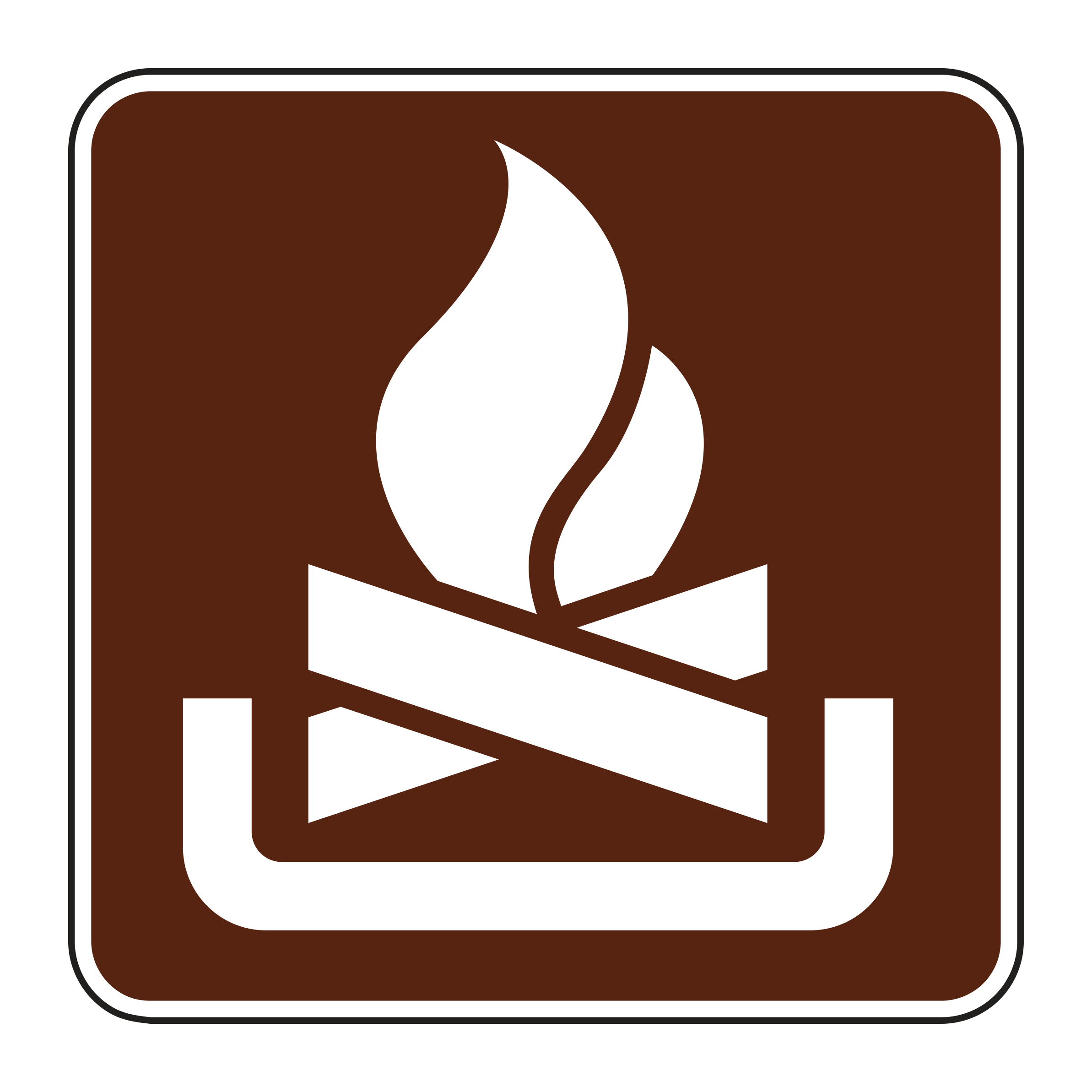
Recreational & Cultural Interest Signs
Brown symbol signs that direct road users to parks, campgrounds, trailheads, and recreational or cultural points of interest.
View 119 Signs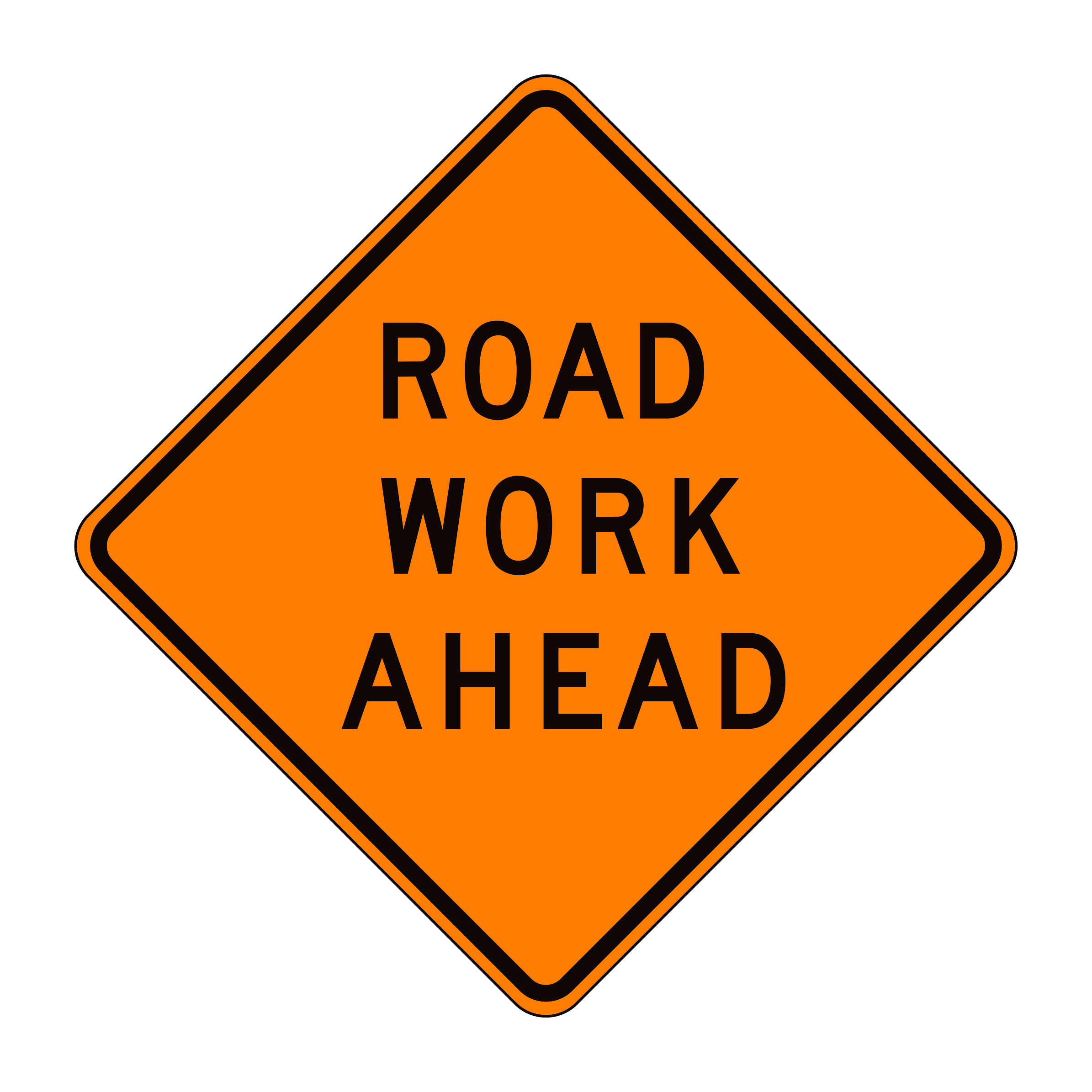
California Construction Signs
California-specific construction, project-information, and temporary traffic control signs used in and around work zones on state and local roads.
View 40 SignsCustom browse groups — navigational shortcuts into the official classifications above, not separate official series.
How Sign Series Help
Faster Navigation
Find the right signs quickly by browsing organized, official MUTCD sign series.
Grouped by Function
Signs are grouped by their purpose so you can understand and apply them with confidence.
Easier Downloads
Open individual sign pages for artwork downloads, available official layouts, and manual references.
California Context
Get California-specific notes, adoptions, and work zone guidance when it matters.
Related Resources
California Notes
Review California MUTCD adoptions, updates, and state-specific guidance.
View California NotesDownloads & Resources
Access sign templates, guides, standards, and resources for design and compliance.
Go to DownloadsWorkZoneCompliance.com
Expert guidance for work zone compliance, training, and best practices.
Visit WorkZoneCompliance.comNeed Help Renting or Purchasing Signs? Contact Public Ready.
Public Ready supports sign selection, traffic control plans, and equipment sourcing through qualified providers — with expert support built for compliance.