
Guide Signs
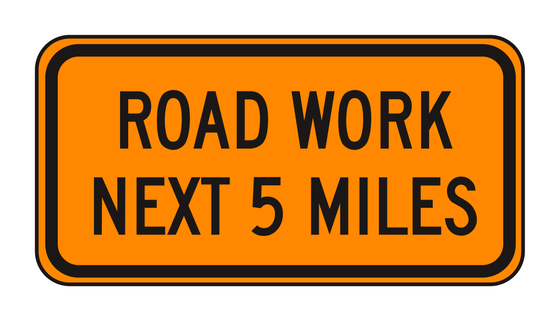
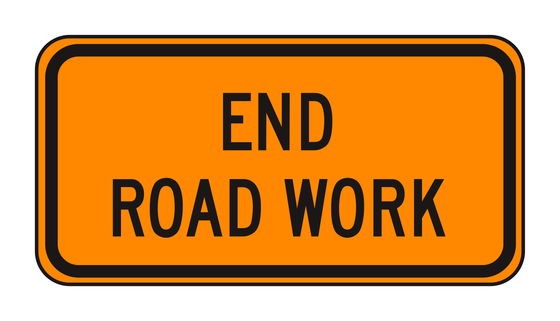
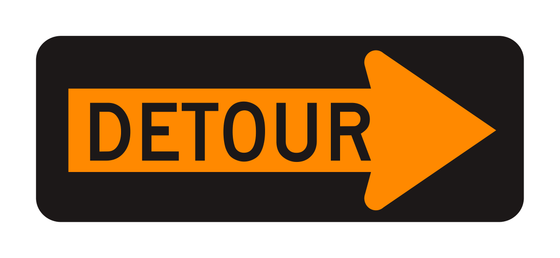
Guide signs that mark the length of a work area, the end of road work, and the route through a detour.
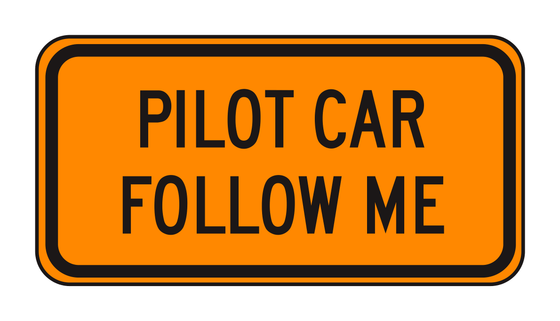
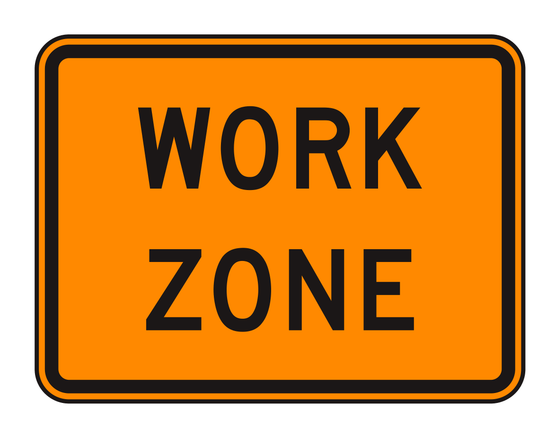
Guide signs help road users navigate — they identify the limits of a work zone and direct traffic along a route. In temporary traffic control, the work-zone guide signs generally use an orange background with a black legend, matching the warning signs around them.
Showing 1–13 of 13 Signs
Related Resources
California Notes
View state-specific considerations and adoptions for Guide Signs.
Explore California NotesWork Zone Compliance
Ensure your signs meet MUTCD and Caltrans requirements.
Visit WorkZoneCompliance.comDownload Guide
Learn about file formats, uses, and best practices for sign downloads.
View Download GuideFrequently Asked Questions
What is the difference between a guide sign and a warning sign?
Warning signs alert drivers to a condition ahead (diamond-shaped). Guide signs provide navigation and route information — in a work zone, that means the length of the work area and where it ends. Both use the orange work-zone background in TTC.
Where does END ROAD WORK go on a TCP?
When used, G20-2 belongs near the downstream end of the termination area, as determined by engineering judgment (CA MUTCD Section 6H.36). The manual permits omission in specified circumstances. It does not cancel a posted speed limit.
Are detour route markers considered guide signs?
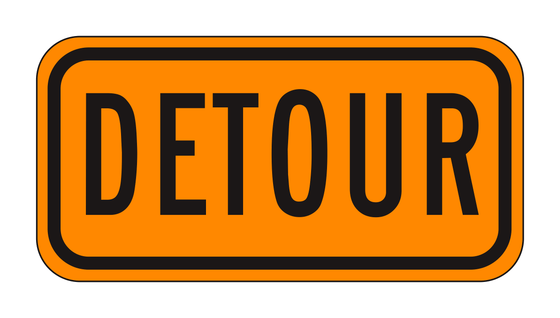
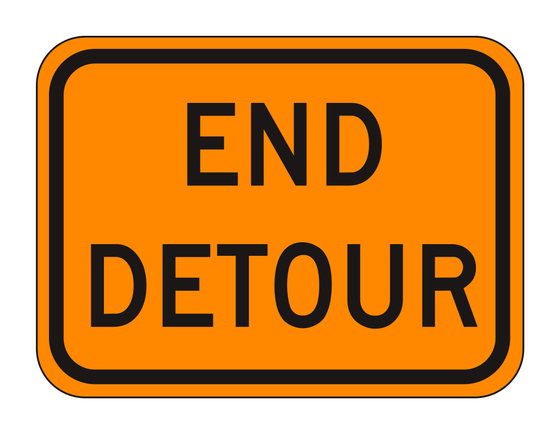
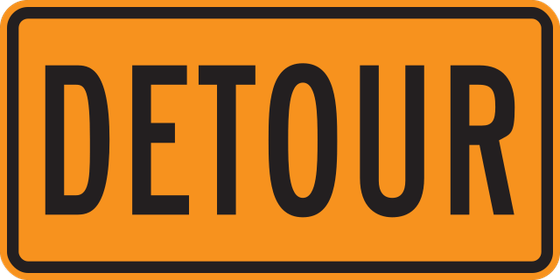
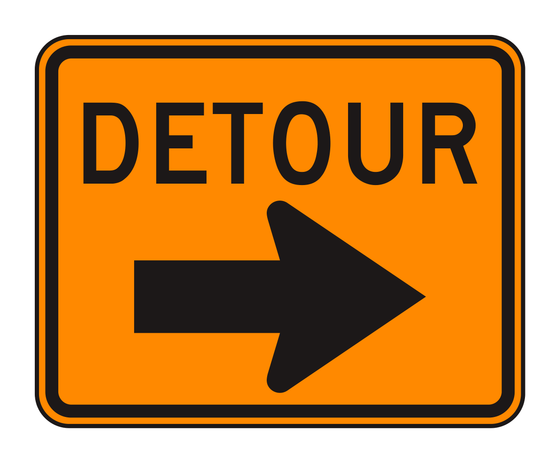
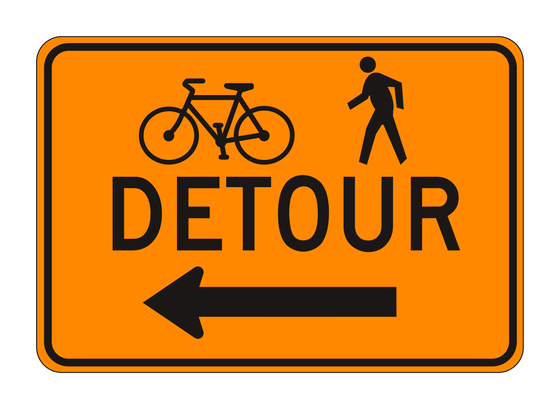
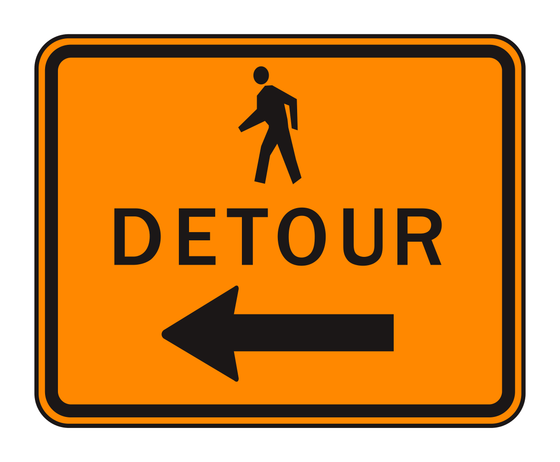
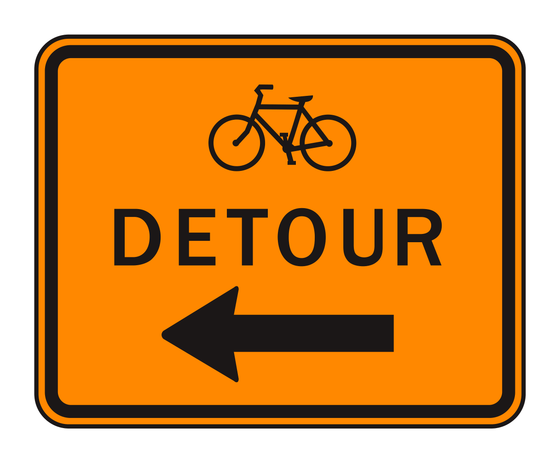
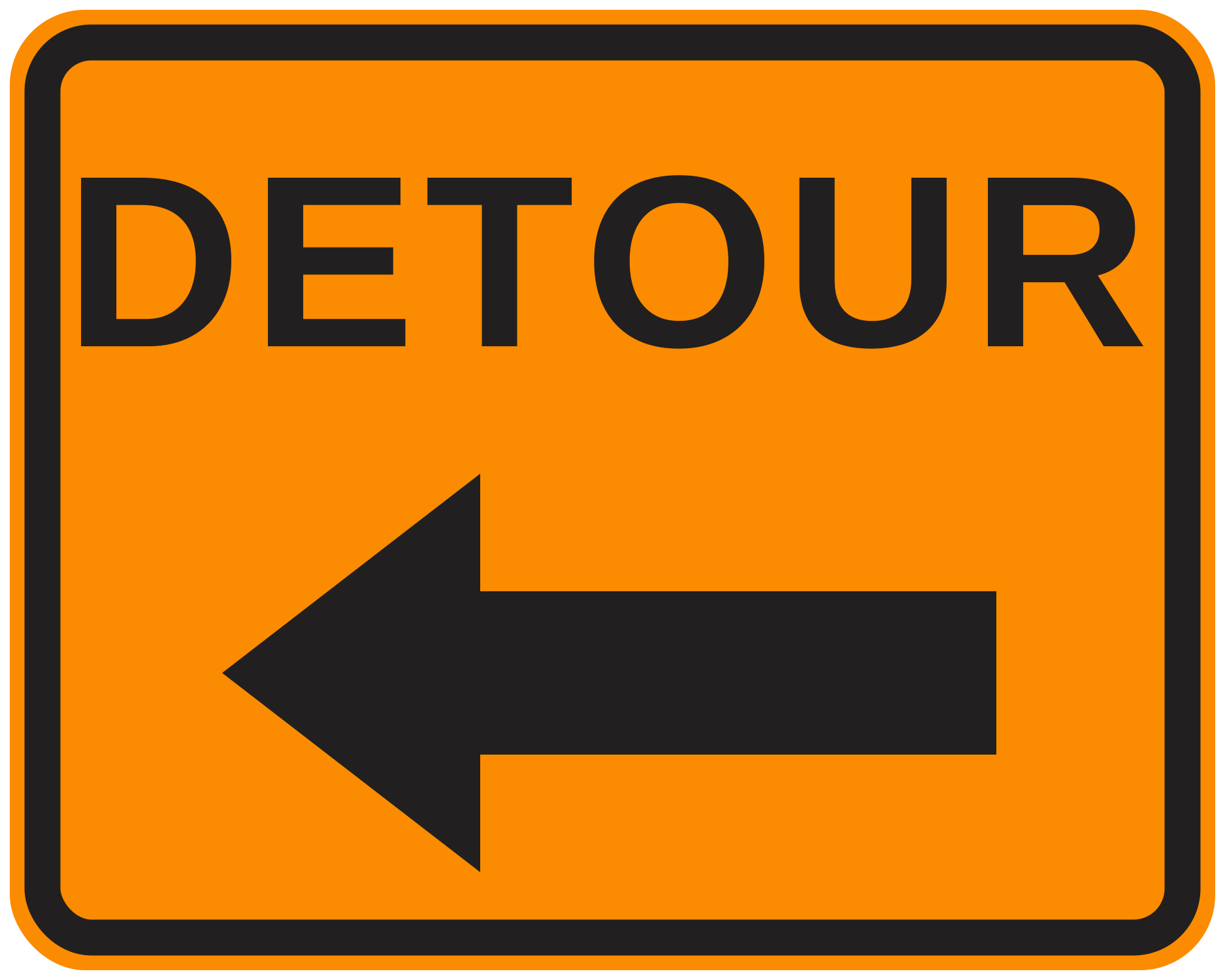
Yes. Detour markers (the M4 series) guide traffic along an approved alternate route, which is a guide function. They are also listed under Detour Signs on this site because of how they are used.
Need guide signs for a California work zone?
Public Ready can help you source work-zone guide signs and coordinate them with the rest of your traffic control plan.