Pedestrian and Sidewalk Closure Signs

Signs that close or reroute sidewalks and crosswalks and keep pedestrian access open through a work zone.

When a work zone affects a sidewalk or crosswalk, pedestrians — including people using wheelchairs, walkers, or assistive devices — must still have a safe, accessible route. California pedestrian and sidewalk closure signs close the affected path and direct people to an alternate crossing or the opposite sidewalk.

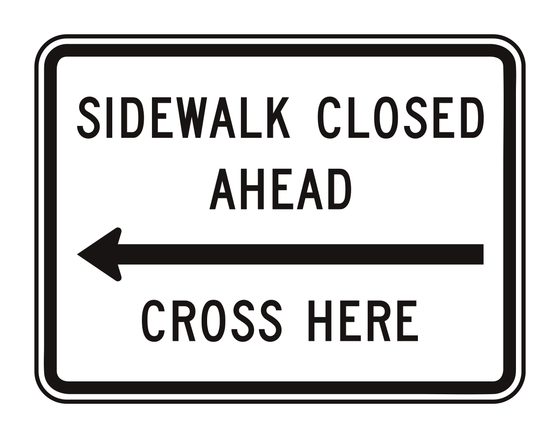
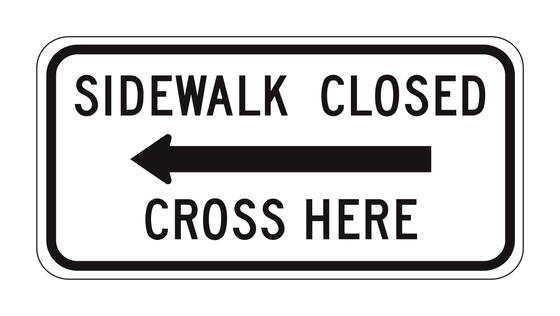
The R9-series signs below cover the common cases: SIDEWALK CLOSED (R9-9), SIDEWALK CLOSED USE OTHER SIDE (R9-10), SIDEWALK CLOSED AHEAD CROSS HERE (R9-11) and CROSS HERE (R9-11a), and CROSSWALK CLOSED (R9-8). A pedestrian detour marker (M4-9b) ties the route together.

In Los Angeles, pedestrian routing is taken seriously by plan reviewers. The City of LA Bureau of Engineering (BOE) and StreetsLA require TCPs to maintain ADA-compliant access at all times or provide a clearly marked, compliant alternate route — shown on the plan with barricades, signs, and accessible surfaces.

Download Reference Sheet (PDF)Free · No login required

All Pedestrian and Sidewalk Closure Signs

Showing 14 of 14 signs

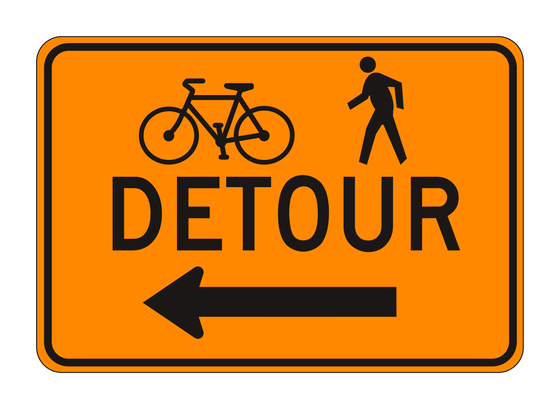
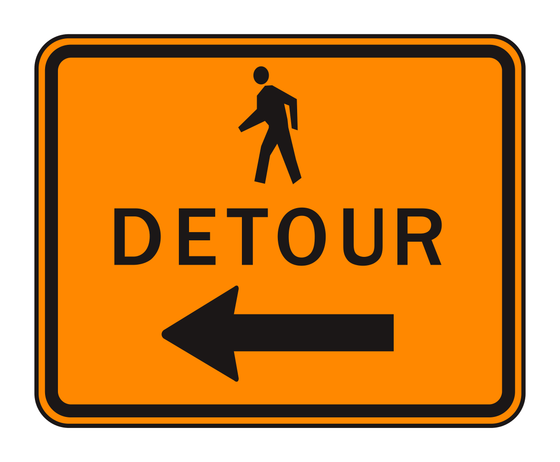
M4-9b Pedestrian Detour signDETOUR
Detour Signs
M4-9b
Pedestrian Detour

Directs pedestrians along an alternate accessible route when a sidewalk or crosswalk on their normal path is closed.

View Sign Layout PDF
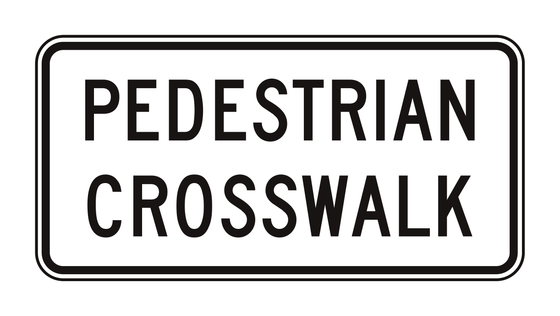
R9-8 Crosswalk Closed signCROSSWALKCLOSED
Pedestrian & Sidewalk Closure Signs
R9-8
Crosswalk Closed

Informs pedestrians that a crosswalk is closed and that they must use another crossing rather than the one that is blocked.

View Sign Layout PDF
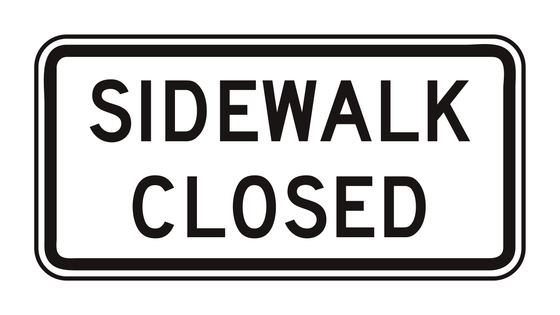
R9-9 Sidewalk Closed signSIDEWALKCLOSED
Pedestrian & Sidewalk Closure Signs
R9-9
Sidewalk Closed

Informs pedestrians that the sidewalk is closed at that location, signaling that they must not continue along the blocked walkway.

View Sign Layout PDF
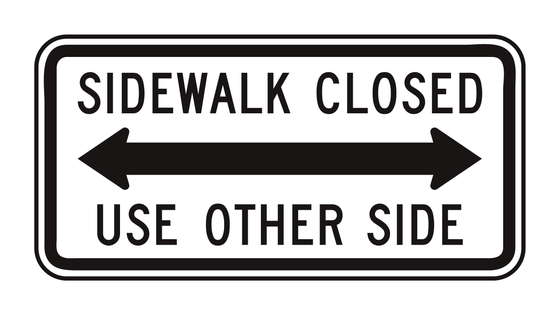
R9-10 Sidewalk Closed Use Other Side signSIDEWALKCLOSED USEOTHER SIDE
Pedestrian & Sidewalk Closure Signs
R9-10
Sidewalk Closed Use Other Side

Tells pedestrians that the sidewalk is closed and directs them to use the sidewalk on the opposite side of the street.

View Sign Layout PDF
R9-11 Sidewalk Closed Ahead Cross Here signSIDEWALKCLOSED AHEADCROSS HERE
Pedestrian & Sidewalk Closure Signs
R9-11
Sidewalk Closed Ahead Cross Here

Advises pedestrians of a sidewalk closure ahead and directs them to cross at the indicated location before reaching the closure.

View Sign Layout PDF
R9-11a Sidewalk Closed Cross Here signSIDEWALKCLOSED CROSSHERE
Pedestrian & Sidewalk Closure Signs
R9-11a
Sidewalk Closed Cross Here

Marks the point where pedestrians should cross because the sidewalk is closed, directing them to the open side at the crossing.

View Sign Layout PDF
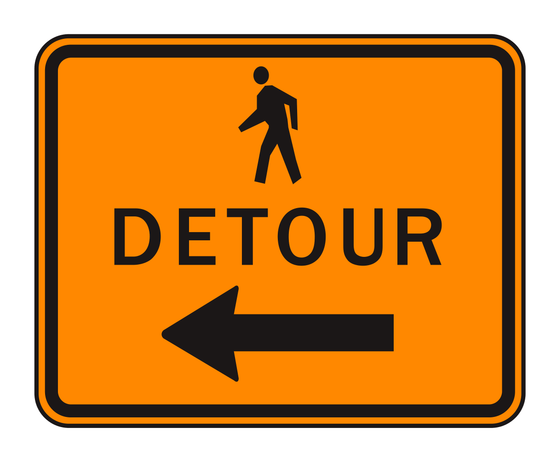
M4-9b(CA) Pedestrian Detour (California) signDETOUR
Pedestrian & Sidewalk Closure Signs
M4-9b(CA)
Pedestrian Detour (California)

The California application of the pedestrian detour marker, used to route pedestrians around sidewalk and crosswalk closures along an accessible alternate path.

View Sign Layout PDF
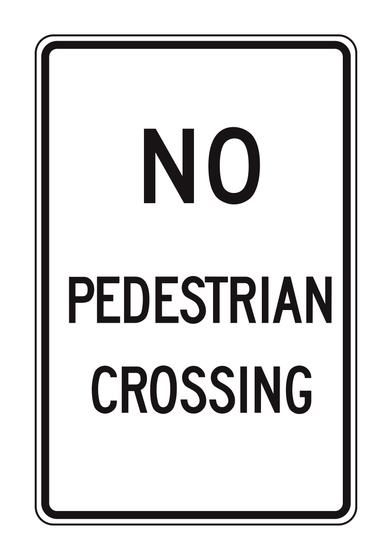
R9-3a Pedestrian Crossing signPEDESTRIANCROSSING
Pedestrian & Sidewalk Closure Signs
R9-3a
Pedestrian Crossing

Marks an established pedestrian crossing and advises drivers that pedestrians may be crossing the roadway at that location.

View Sign Layout PDF
R9-6 Bike Lane signBIKE LANE
Pedestrian & Sidewalk Closure Signs
R9-6
Bike Lane

Designates a lane reserved exclusively for bicycle travel, indicating that motor vehicles must not use the marked lane.

View Sign Layout PDF
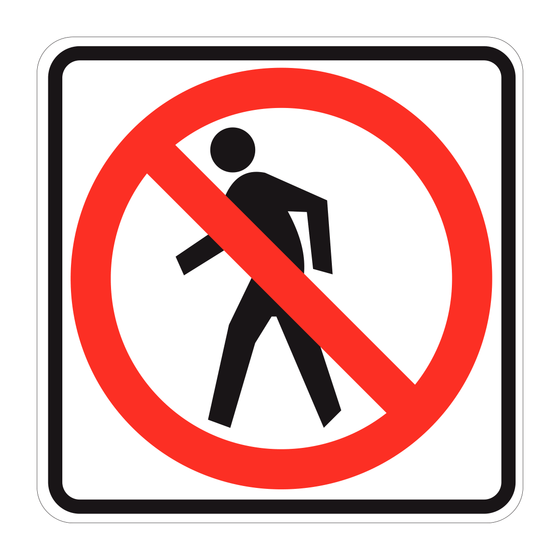
R9-3 No Pedestrian Crossing (symbol) — official FHWA layout
Pedestrian & Sidewalk Closure Signs
R9-3
No Pedestrian Crossing (symbol)

The R9-3 No Pedestrian Crossing (symbol) sign is a California MUTCD pedestrian / bicycle sign. It is shown here as an educational reference with the official FHWA Standard Highway Signs layout and California sizing guidance.

View Sign Layout PDF
R9-4 No Hitchhiking (symbol) — official FHWA layout
Pedestrian & Sidewalk Closure Signs
R9-4
No Hitchhiking (symbol)

The R9-4 No Hitchhiking (symbol) sign is a California MUTCD pedestrian / bicycle sign. It is shown here as an educational reference with the official FHWA Standard Highway Signs layout and California sizing guidance.

View Sign Layout PDF
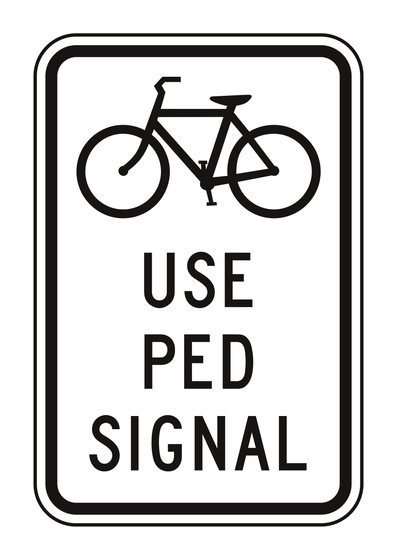
R9-5 Bicycles Use Pedestrian Signal — official FHWA layout
Pedestrian & Sidewalk Closure Signs
R9-5
Bicycles Use Pedestrian Signal

The R9-5 Bicycles Use Pedestrian Signal sign is a California MUTCD pedestrian / bicycle sign. It is shown here as an educational reference with the official FHWA Standard Highway Signs layout and California sizing guidance.

View Sign Layout PDF
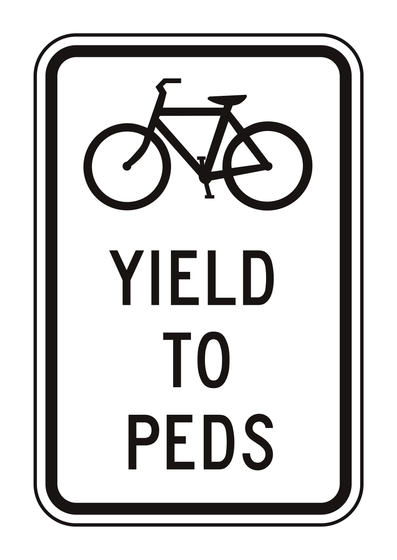
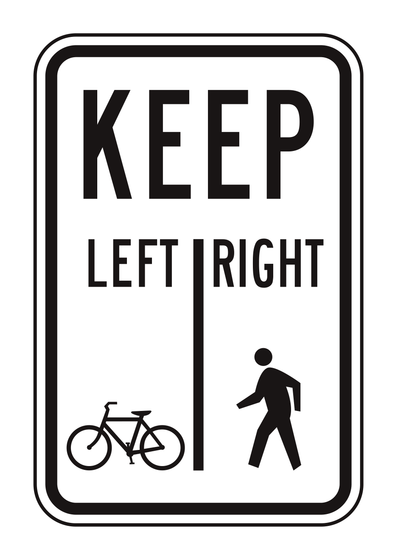
R9-7 Shared-Use Path Restriction — official FHWA layout
Pedestrian & Sidewalk Closure Signs
R9-7
Shared-Use Path Restriction

The R9-7 Shared-Use Path Restriction sign is a California MUTCD pedestrian / bicycle sign. It is shown here as an educational reference with the official FHWA Standard Highway Signs layout and California sizing guidance.

View Sign Layout PDF
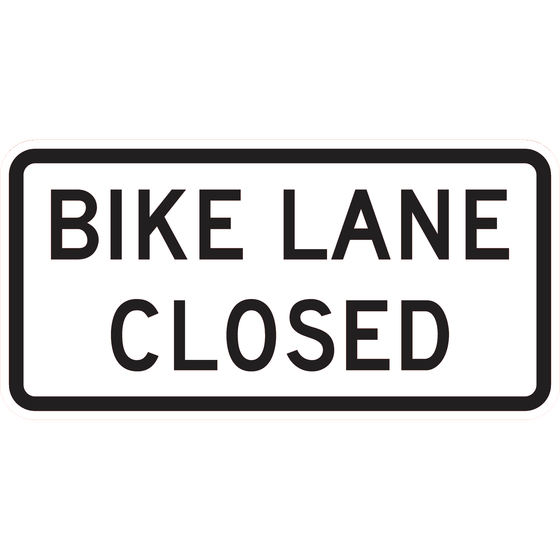
R9-12 Bike Lane Closed — official FHWA layout
Pedestrian & Sidewalk Closure Signs
R9-12
Bike Lane Closed

The R9-12 Bike Lane Closed sign is a California MUTCD pedestrian / bicycle sign. It is shown here as an educational reference with the official FHWA Standard Highway Signs layout and California sizing guidance.

View Sign Layout PDF

Official Sources (external)

This is an educational reference. Verify sign use, size, placement, and application against the current CA MUTCD, Caltrans sign specifications, Standard Plans, and the reviewing agency. Official source links are gathered in one place.

View official sources

Educational reference only. This is not an official Caltrans, FHWA, or local agency publication and is not legal or engineering advice. Always verify sign selection, size, placement, spacing, and application against the current CA MUTCD 2026, Caltrans sign specifications, Standard Plans, project documents, and the reviewing agency’s requirements.

Frequently Asked Questions

Does a sidewalk closure have to provide an alternate route?

Yes. A closed sidewalk must have a safe, accessible alternate route — typically the opposite sidewalk or a marked pedestrian detour — with crossings provided at each end. ADA-compliant access must be maintained at all times.

What is the difference between R9-11 and R9-11a?

R9-11 (SIDEWALK CLOSED AHEAD CROSS HERE) is placed in advance of the closure to move pedestrians across before they reach it. R9-11a (SIDEWALK CLOSED CROSS HERE) marks the actual crossing point. They are used together.

Who reviews pedestrian access on a TCP in Los Angeles?

For City of LA right-of-way, StreetsLA and the Bureau of Engineering (BOE) review pedestrian access. On state highways, Caltrans District 7 reviews the encroachment permit and TCP. Plans must show an accessible route whenever a sidewalk is closed.

Are pedestrian closure signs orange?

No. The R9-series sidewalk and crosswalk closure signs are regulatory — white background with a black legend. The pedestrian detour marker (M4-9b) uses the orange work-zone background.

Closing a sidewalk on a California project?

Public Ready can supply sidewalk and crosswalk closure signs, pedestrian detour markers, and barricades, and help you show an ADA-compliant pedestrian route on your TCP.

Looking for the full sign list? Browse all categories