
Regulatory Signs
Signs that set legal requirements — stop, yield, speed limit, do not enter, wrong way, and one-way movement — as applied in California traffic control.
Regulatory signs tell road users what they must or must not do, and disobeying them is a violation of the law. In a California work zone, regulatory signs are used to establish temporary control — closing a roadway or ramp, setting a reduced speed limit, defining a one-way movement, or preventing wrong-way entry into a closed segment.
Showing 1–24 of 324 Signs

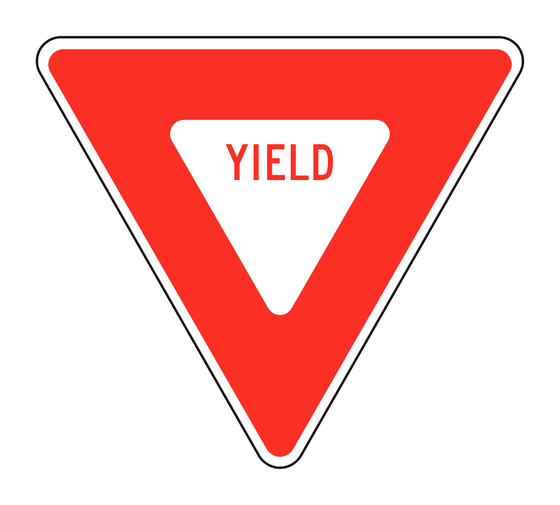
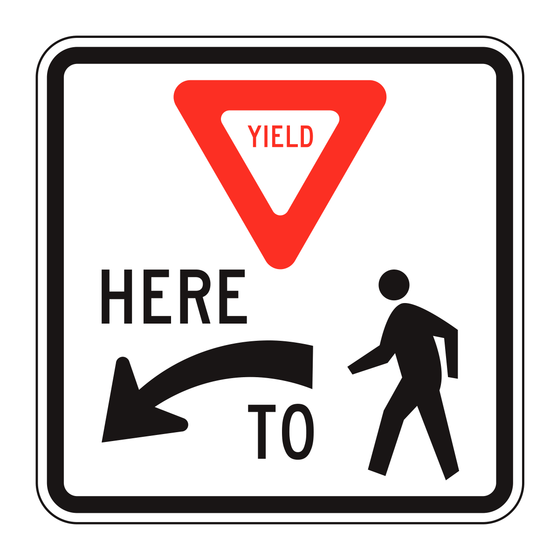
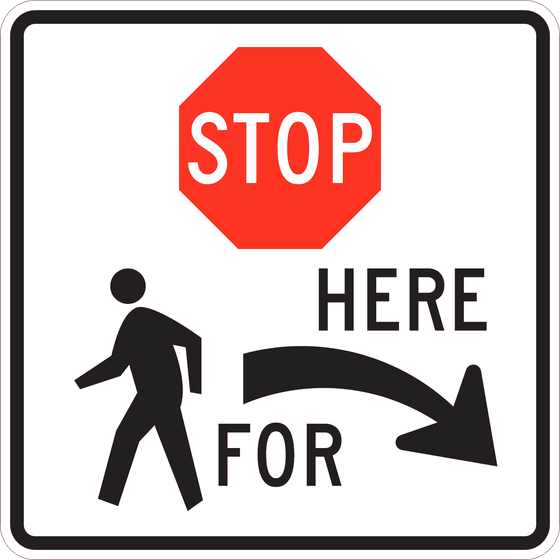
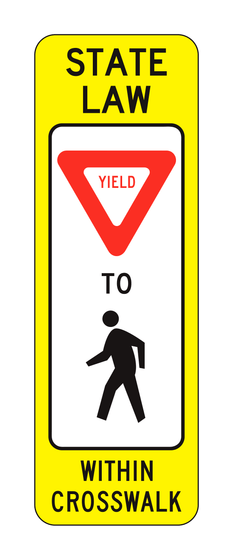

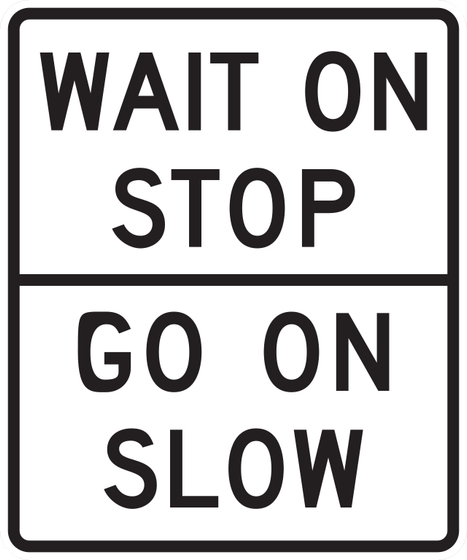
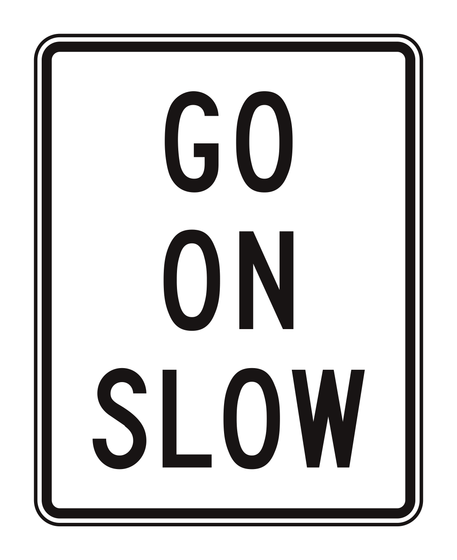
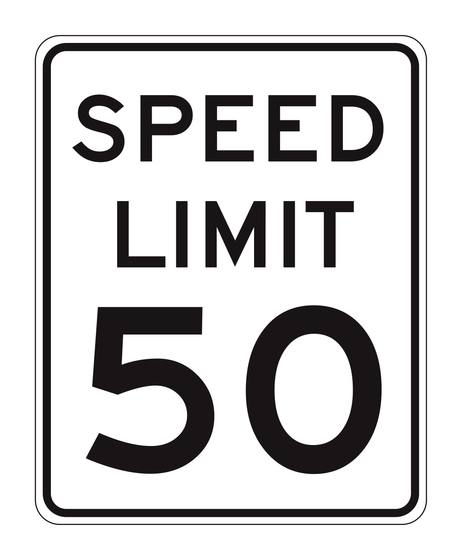
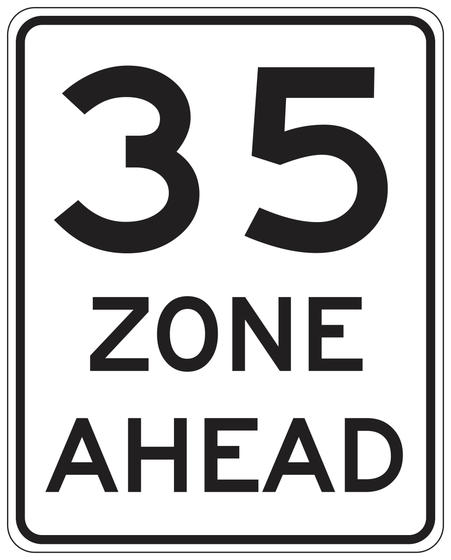

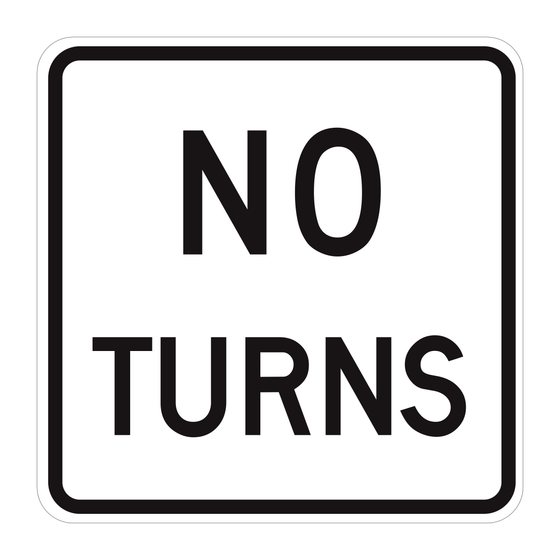
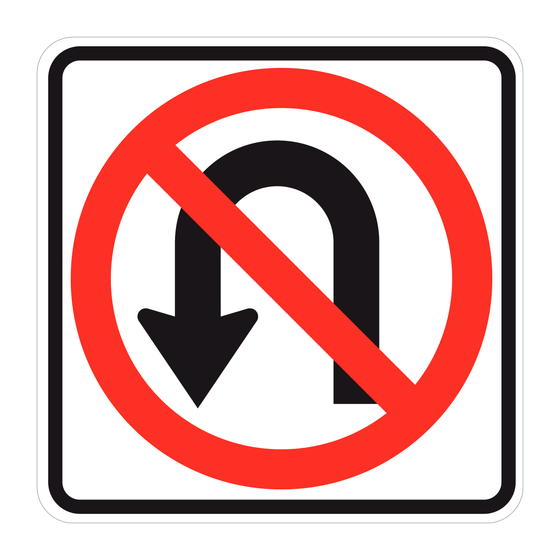
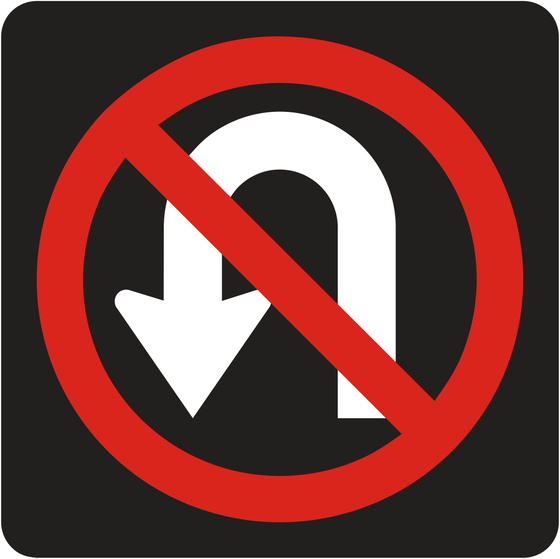

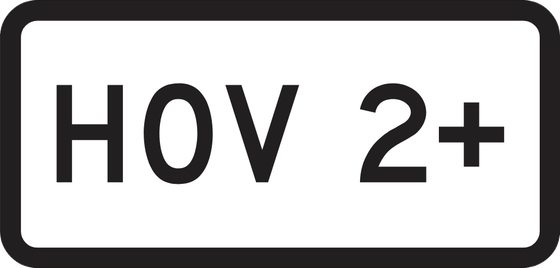

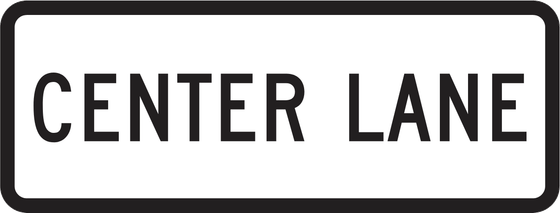

Complete sign index — all 324 signs in Regulatory Signs
- R1-1
- R1-2
- R1-5
- R1-5b
- R1-6
- R1-7
- R1-7a
- R1-8
- R2-1
- R2-4(CA)
- R2-12
- R3-1
- R3-1 ABO
- R3-2
- R3-2 ABO
- R3-3
- R3-4
- R3-4 ABO
- R3-5a
- R3-5bP
- R3-5cP
- R3-5dP
- R3-5eP
- R3-5fP
- R3-5gP
- R3-5L
- R3-5R
- R3-6L
- R3-6R
- R3-7L
- R3-7R
- R3-18
- R3-18 ABO
- R3-27 ABO
- R3(CA)
- R4-7
- R4-7a
- R4-7b
- R4-8
- R4-9
- R4-9a
- R5-1
- R5-1 ABO
- R5-1a
- R5-1a ABO
- R5-2
- R5-10c
- R6-1
- R6-1R
- R6-2
- R6-2L
- R6-3A(CA)
- R6-4A(CA)
- R7-1
- R7-2
- R7-9
- R7-107
- R8-1
- R8-3
- R8-3a
- R8-4
- R8-5
- R10-1
- R10-2
- R10-3
- R10-3a
- R10-3b
- R10-3c
- R10-3d
- R10-3e
- R10-3e(CA)
- R10-3f
- R10-3g
- R10-3h
- R10-3i
- R10-3i(CA)
- R10-3j(CA)
- R10-3k(CA)
- R10-4
- R10-4a
- R10-5
- R10-6
- R10-6a
- R10-7
- R10-8
- R10-10
- R10-10a
- R10-10b
- R10-10c
- R10-11
- R10-11a
- R10-11b
- R10-11c
- R10-11d
- R10-12
- R10-12a
- R10-12b
- R10-13
- R10-14
- R10-14a
- R10-14b
- R10-15
- R10-18
- R10-18a
- R10-19aP
- R10-19P
- R10-20aP
- R10-22
- R10-23
- R10-23a
- R10-24
- R10-25
- R10-26
- R10-29
- R10-30
- R10-31P
- R10-32P
- R10-40
- R10-40a
- R10-41
- R10-41a
- R10-41b
- R10-41c
- R18B(CA)
- R20-1(CA)
- R20-1AP(CA)
- R20D-1P(CA)
- R20D-2P(CA)
- R20D-3P(CA)
- R20D-4P(CA)
- R20H(CA)
- R21(CA)
- R22-2
- R22(CA)
- R23(CA)
- R24(CA)
- R24A(CA)
- R24B(CA)
- R24C(CA)
- R24D(CA)
- R24E(CA)
- R24F(CA)
- R25(CA)
- R25C(CA)
- R25E(CA)
- R25F(CA)
- R25J(CA)
- R26(CA)
- R26(S)(CA)
- R26A(CA)
- R26A(S)(CA)
- R26F(CA)
- R26K(CA)
- R26L(CA)
- R27(CA)
- R27A(CA)
- R28(CA)
- R28(S)(CA)
- R28A(CA)
- R28A(S)(CA)
- R28C(CA)
- R28D(CA)
- R28D(S)(CA)
- R28E(CA)
- R28F(CA)
- R29(CA)
- R30(CA)
- R30A(CA)
- R30B(CA)
- R30C(CA)
- R30D(CA)
- R30E(CA)
- R30F(CA)
- R31(CA)
- R31(S)(CA)
- R32(CA)
- R32B(CA)
- R32C(CA)
- R32D(CA)
- R32E(CA)
- R32F(CA)
- R33B(CA)
- R33C(CA)
- R36(CA)
- R37(CA)
- R38(CA)
- R38(S)(CA)
- R38A(CA)
- R39-1(CA)
- R39-2(CA)
- R39-3(CA)
- R39(CA)
- R44B(CA)
- R47(CA)
- R47A(CA)
- R48-1P(CA)
- R48-2(CA)
- R48(CA)
- R49(CA)
- R53D(CA)
- R53E(CA)
- R55(CA)
- R57(CA)
- R58(CA)
- R60B(CA)
- R61-1(CA)
- R61-3(CA)
- R61-5(CA)
- R61-7(CA)
- R61-9(CA)
- R61-11(CA)
- R61-13(CA)
- R61-15(CA)
- R61-17(CA)
- R61-19(CA)
- R61-22(CA)
- R61-24(CA)
- R61-26(CA)
- R61-28(CA)
- R61-30(CA)
- R61-32(CA)
- R61-34(CA)
- R61-36(CA)
- R70(CA)
- R70A(CA)
- R70B(CA)
- R73-1(CA)
- R73-2(CA)
- R73-3(CA)
- R73-4(CA)
- R73-5(CA)
- R73-6(CA)
- R73-8(CA)
- R74(CA)
- R75(CA)
- R76-1(CA)
- R76(CA)
- R77(CA)
- R78(CA)
- R79(CA)
- R80-1(CA)
- R82AP(CA)
- R82BP(CA)
- R88(CA)
- R90-1(CA)
- R91-1(CA)
- R91-4(CA)
- R91BP(CA)
- R94 LT(CA)
- R94 RT(CA)
- R99(CA)
- R99B(CA)
- R99C(CA)
- R100A(CA)
- R100B(CA)
- R101(CA)
- R102AP(CA)
- R103AP(CA)
- R104AP(CA)
- R105AP(CA)
- R107(CA)
- R108(CA)
- R109P(CA)
- R111(CA)
- R112(CA)
- R113(CA)
- R113A(CA)
- R114(CA)
- R114A(CA)
- R115(CA)
- R116(CA)
- R119(CA)
- S20(CA)
- S21P(CA)
- S22-1(CA)
- S22(CA)
- S23(CA)
- S24(CA)
- S34(CA)
- SR2(CA)
- SR4-1(CA)
- SR6-1(CA)
- SR7-1(CA)
- SR8-1(CA)
- SR9-1(CA)
- SR10-1(CA)
- SR11-1(CA)
- SR12-1(CA)
- SR13-1P(CA)
- SR15(CA)
- SR15AP(CA)
- SR17(CA)
- SR18(CA)
- SR19-1(CA)
- SR20-1(CA)
- SR22-1(CA)
- SR23-1(CA)
- SR25(CA)
- SR26(CA)
- SR39A(U)(CA)
- SR40(CA)
- SR42(CA)
- SR43(CA)
- SR44(CA)
- SR46(CA)
- SR47(CA)
- SR48(CA)
- SR49(CA)
- SR50-1(CA)
- SR50-2(CA)
- SR53(CA)
- SR54(CA)
- SR55(CA)
- SR58(CA)
- SR60-1(CA)
- SR60-2(CA)
- SR60-4(CA)
- SR60-6(CA)
- SR60-8(CA)
- SR62(CA)
- SR63(CA)
- SR63A(CA)
- SR64A(CA)
- SR64B(CA)
Related Resources
California Notes
View state-specific considerations and adoptions for Regulatory Signs.
Explore California NotesWork Zone Compliance
Ensure your signs meet MUTCD and Caltrans requirements.
Visit WorkZoneCompliance.comDownload Guide
Learn about file formats, uses, and best practices for sign downloads.
View Download GuideFrequently Asked Questions
Can a contractor lower the speed limit in a work zone with a sign?
No. Posting a SPEED LIMIT (R2-1) sign does not by itself establish an enforceable limit. The reduced limit must be authorized by the agency with jurisdiction over the roadway. Confirm the authorization before showing a reduced limit on the TCP.
When are DO NOT ENTER and WRONG WAY used together?
DO NOT ENTER (R5-1) faces traffic that could wrongly enter a closed lane, ramp, or one-way segment, while WRONG WAY (R5-1a) is placed further in to alert a driver who has already entered against traffic. They are commonly paired to protect one-way operations and closed ramps.
What size should a temporary STOP sign be?
Use the R1-1 row and notes in CA MUTCD Table 2B-1 and the applicable roadway provisions. The permitted size depends on the facility and application; a dimension listed on a drawing is not a universal minimum.
Are regulatory signs orange in work zones?
No. Regulatory signs keep their standard regulatory colors even within a TTC zone — for example, STOP stays red and white. Only warning and most guide signs use the fluorescent orange work-zone background.
Need regulatory signs for a California project?
Public Ready can help you source the regulatory signs used in California work zones and coordinate them with your traffic control plan.