
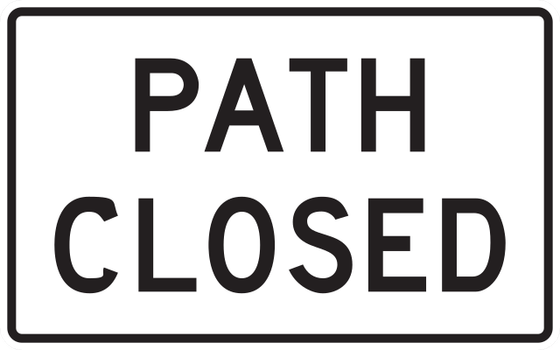
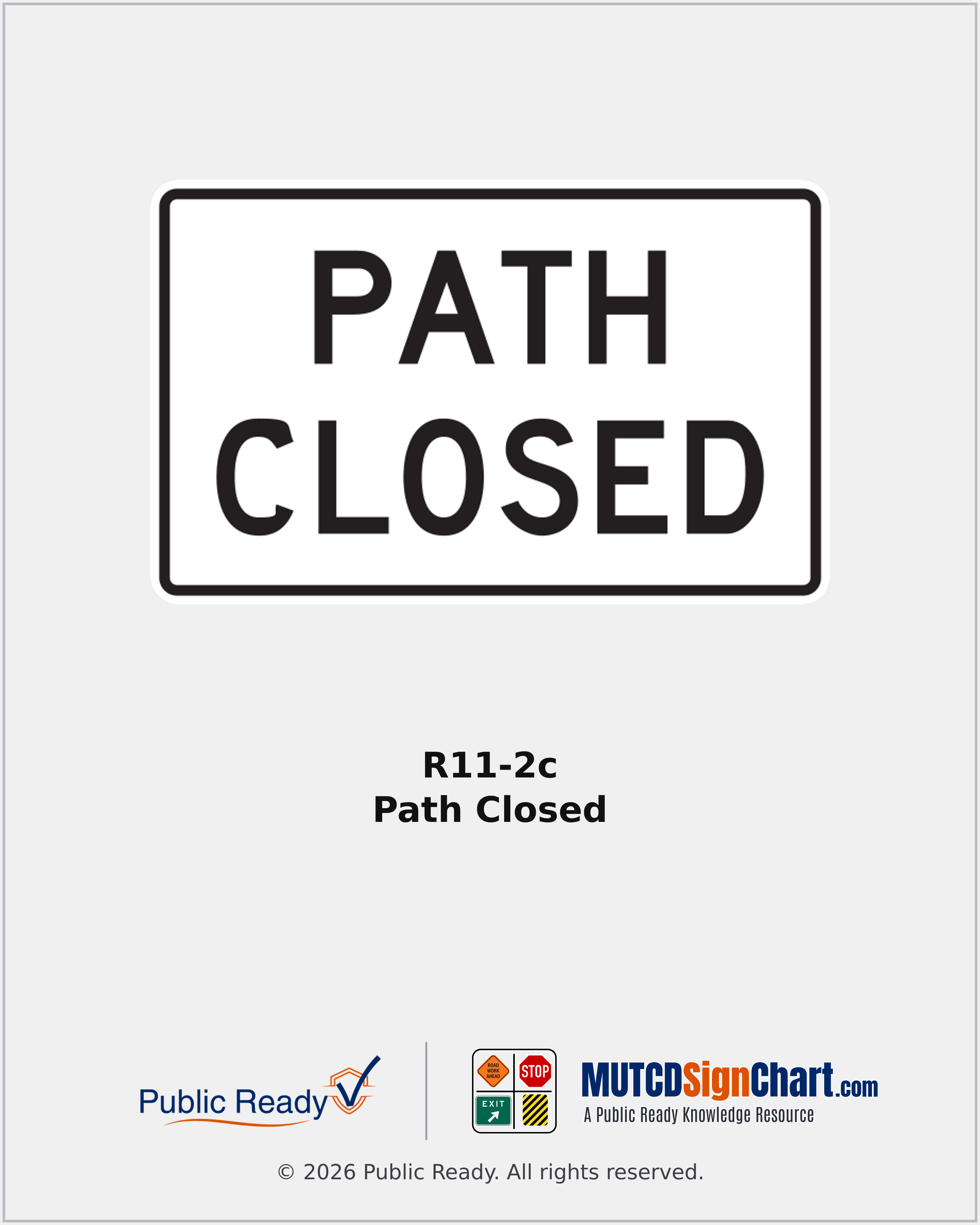
R11-2c Path Closed
Indicates that a shared-use path (pedestrian/bicycle) is closed, directing users away from the closed path.
- Sign Name
- Path Closed
- MUTCD Code
- R11-2c
- Sign Category
- Road Closure Signs
Specifications
- Shape
- Rectangle (Horizontal)
- Color / legend
- White background, black legend
Sizes & Dimensions (inches)
These are dimensions shown on the linked layout. Select the required size using the applicable MUTCD and agency requirements; the smallest drawing size is not necessarily the permitted minimum.
- Layout size48" × 30"
When & Where It's Used
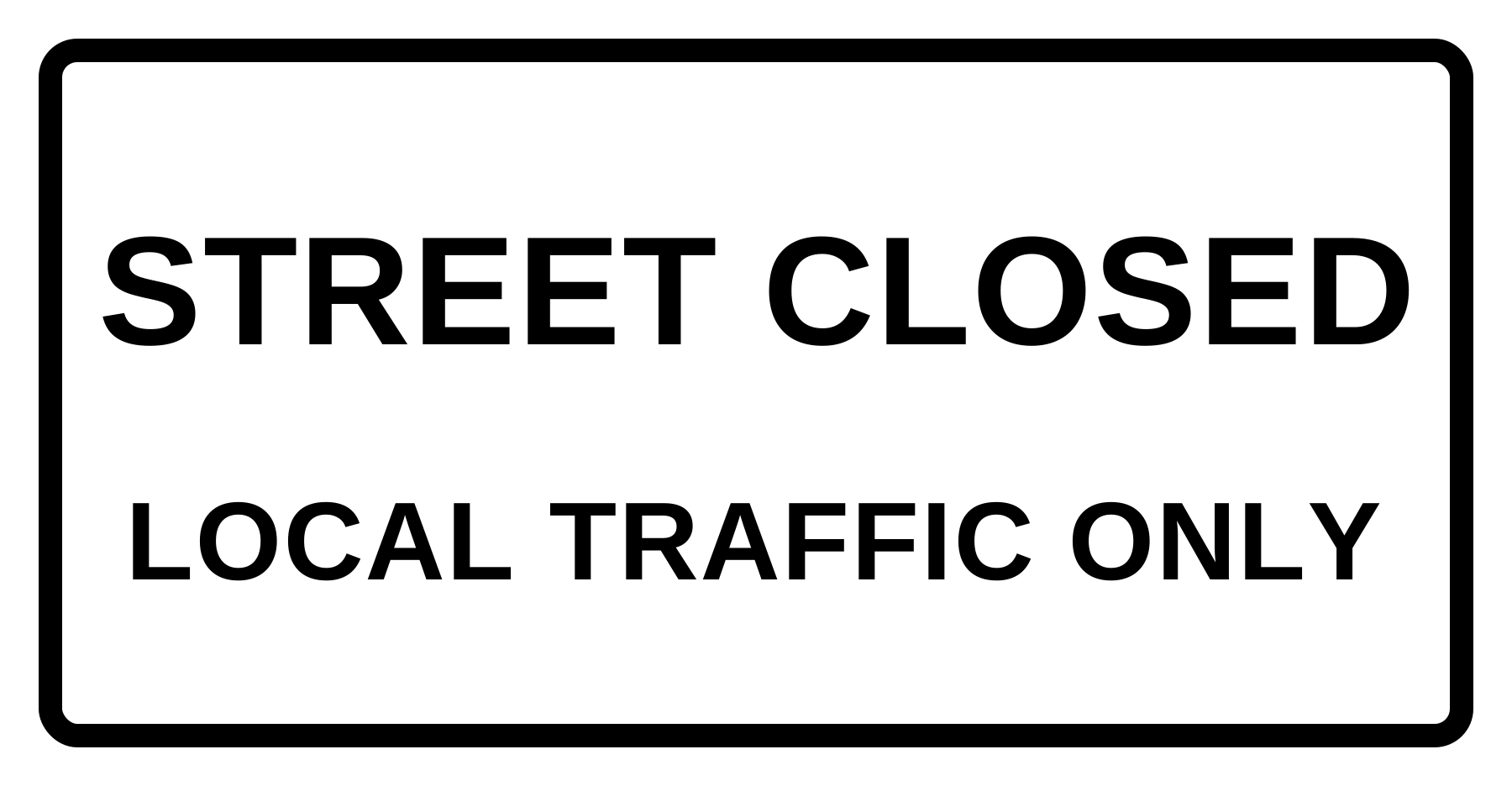
- Shared-use path / trail closures
- Placed at the closure with a signed accessible detour
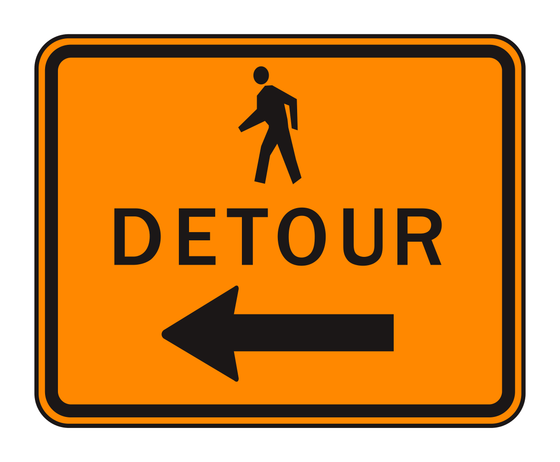
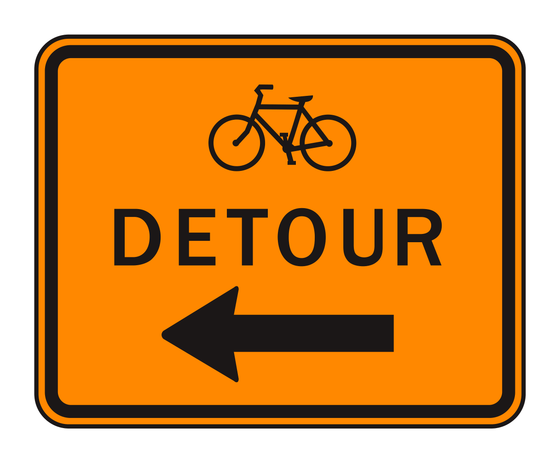
- Used with pedestrian/bicycle detour signing
Placement Context
- Where it sits
- At the location of the indicated closure or restriction.
- CA MUTCD reference
- CA MUTCD 2026 Chapter 6G — TTC Zone Regulatory Signs
Related Signs
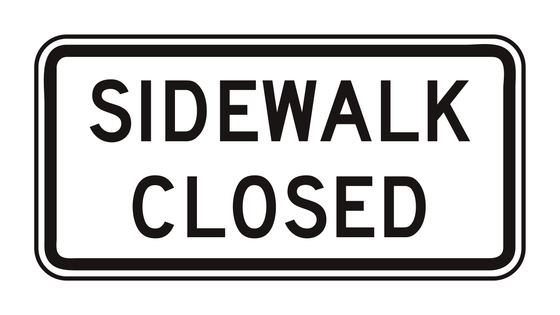
Browse Road Closure Signs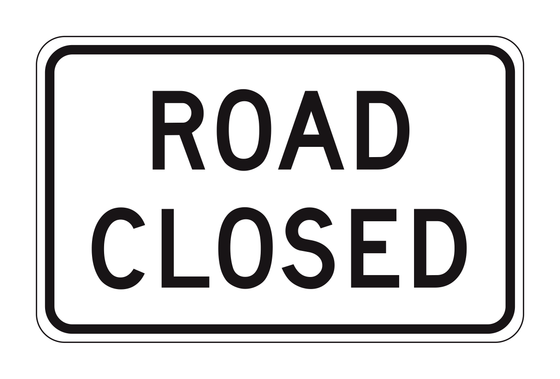
Educational reference only. This is not an official Caltrans, FHWA, or local agency publication and is not legal or engineering advice. Always verify sign selection, size, placement, spacing, and application against the current CA MUTCD 2026, Caltrans sign specifications, Standard Plans, project documents, and the reviewing agency’s requirements. Local jurisdictions may impose additional requirements, and final selection, placement, and dimensions may require engineering judgment or agency approval. Reference editions: California MUTCD 2026 (effective January 18, 2026) and the Federal MUTCD 11th Edition with Revision 1.
Need to Rent or Purchase This Sign? Contact Public Ready.
Public Ready supports sign selection, project-ready sign packages, and equipment sourcing through qualified providers — with expert support built for compliance.